

You walk into a room and completely forget why you went in. You reread the same work email three times and still miss the point. Maybe you’ve started wondering if this is just stress, or if your brain is losing its edge as life gets busier. That foggy, scattered feeling is often a sign your brain’s sharpest tools need some fine-tuning.
So what is cognitive training, exactly? Cognitive training means practicing specific, structured mental exercises designed to strengthen memory, focus, reasoning, and decision-making, much like a gym workout strengthens a muscle. Unlike puzzles you solve for fun, it relies on progressively harder tasks built on real neuroscience research to create lasting change in how your brain processes information. At BrainSpeak, we’ve spent over 30 years studying how structured mental practice supports real personal growth.
This guide breaks down what cognitive training actually involves, how it differs from casual brain games, and what kind of results you can realistically expect. Stick around, because the difference between busywork and real brain change matters more than you think.
Key Takeaways
Cognitive training is structured, science-backed brain exercise, not a random pile of puzzles. It’s built around how your brain actually learns.
It targets memory, focus, decision-making, and executive function, the skills you use every single day.
It differs from casual brain games thanks to something called the transfer effect, which decides whether skills carry over to real life.
Consistency and real-world relevance matter more than chasing any one clever exercise or quick fix.
What Is Cognitive Training, Exactly?

Cognitive training is a structured, evidence-based system of mental exercises built to strengthen specific brain functions, including memory, attention, reasoning, and problem-solving. Unlike grabbing a crossword out of boredom, it uses carefully designed, progressively harder tasks that target one skill at a time, stretching your brain just past its comfort zone.
This works because of neuroplasticity, your brain’s ability to rewire itself and build at any age. Every repeated mental task strengthens the pathway between the neurons involved, almost like wearing a groove into a well-used trail. The more you practice with purpose, the faster and stronger that pathway becomes, which is the whole engine behind cognitive training. A simple example: a working-memory exercise might start with remembering three items in order, then gradually stretch to five or six as your brain adapts, the kind of incremental challenge that keeps the pathway building instead of plateauing.
How Is Cognitive Training Different From Brain Games Like Sudoku?
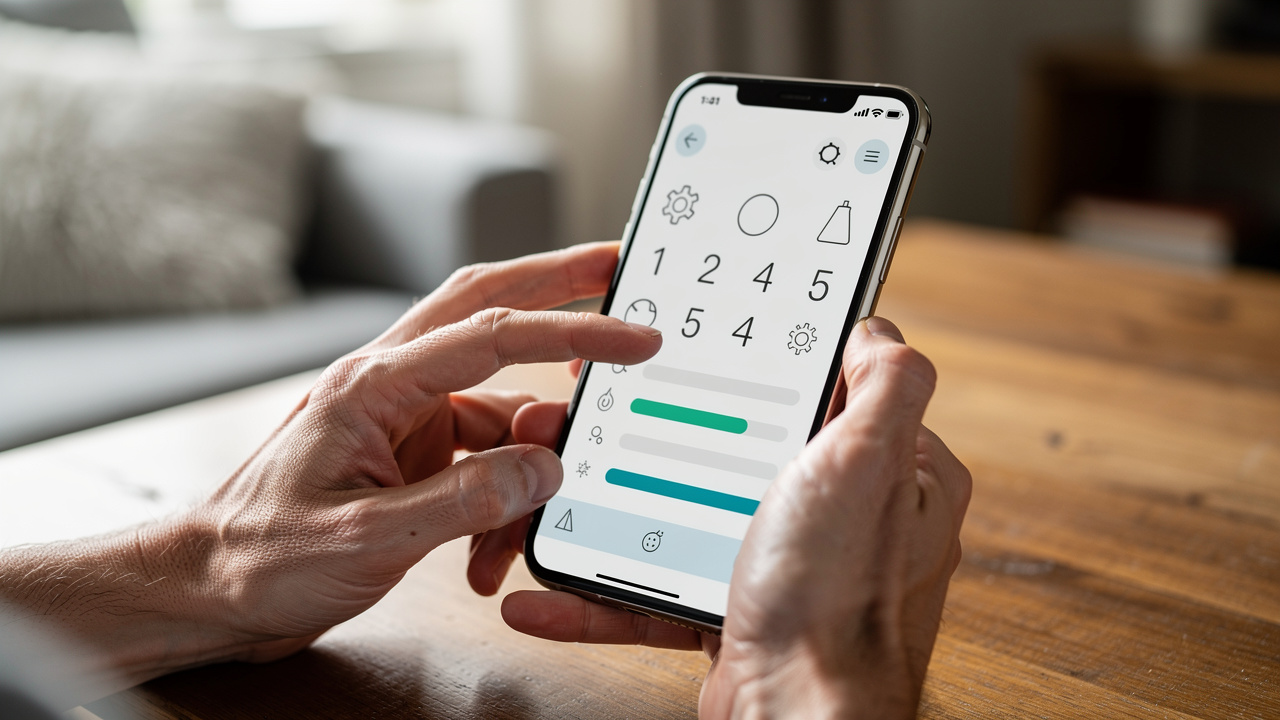
Cognitive training differs from brain games like Sudoku mainly through the transfer effect, meaning how much a skill learned in one task carries over to real life. You can become excellent at Sudoku without getting sharper at remembering appointments or making quick decisions at work, because casual games usually train one narrow skill with little overlap to everyday challenges.
Structured cognitive training is built differently from the ground up, mixing progressive difficulty, active recall study methods, and scenarios that mirror real decisions you face daily. Think of brain games as a fun snack and cognitive training as a full meal plan. Both have their place, but only one is designed to change how your brain performs outside the game.
What Can Cognitive Training Actually Improve?

Cognitive training can sharpen memory, focus while studying, and decision-making, often in ways people notice fairly quickly. Many report:
Remembering names and details more easily, often practiced through simple recall drills like repeating a new name back a few times in conversation
Staying on task longer without drifting, the kind of skill that attention-switching exercises (jumping between two tasks on purpose, then back again) are built to strengthen
Reacting faster when something unexpected happens, whether that’s merging into traffic or catching a mistake before it grows
Improved problem solving skills, the sort reasoning puzzles with shifting rules are designed to build
These gains show up as real, everyday wins. You might handle stressful moments with a bit more patience, juggle several tasks without feeling scattered, or simply trust your own judgment a little more. None of this requires becoming a different person — your brain is just running more efficiently than before.
Why Does Consistency Matter More Than Perfection?

Consistency matters more than perfection because the brain changes gradually through repeated, steady practice, not one heroic session. Skipping a week and cramming ten sessions on a Saturday won’t rebuild a neural pathway any faster than skipping the gym and running a marathon builds muscle. Lasting change in cognitive training comes from showing up regularly, even briefly.
Lasting change in cognitive training comes from showing up regularly, even briefly, not from cramming effort into a single session.
BrainSpeak has spent over 30 years helping people build exactly this kind of steady habit through audio-based personal development programs. Results vary from person to person, since everyone’s brain and circumstances differ, so starting small and paying attention to what actually works for you is a genuinely smart way to find an approach that fits.
The Takeaway
Cognitive training is a structured, evidence-based way to sharpen your mind, not a magic fix or an overnight trick. Real mental strength builds through small, consistent steps repeated over weeks and months, not a single perfect session. If you’re curious where to start, exploring a few guided resources is a low-pressure way to test what actually works for your own brain.
Frequently Asked Questions
Is Cognitive Training The Same As Meditation?
No. Meditation mainly supports stress reduction and mental clarity through focused awareness, while cognitive training builds specific skills like memory and attention through structured exercises. The two work well together, since a calmer mind often learns new mental skills more easily.
How Long Does It Take To See Results From Cognitive Training?
Timelines vary by person and program, but many people notice small shifts in focus or memory within a few weeks of steady practice. Bigger changes take longer. Patience and consistency matter more than speed, so don’t judge progress after just a day or two.
Can Cognitive Training Help With Age-Related Memory Loss?
Research shows moderate support for cognitive training helping prevent cognitive decline, though it isn’t a guaranteed cure for memory loss. Pairing regular mental exercise with quality sleep, stress management, and real social connection gives you the best realistic shot at protecting memory as you age.
Do I Need Special Equipment Or An App To Start Cognitive Training?
Not necessarily. Many effective programs rely on simple tools: audio-guided sessions, a smartphone app, or even pen-and-paper drills like a number-sequence recall task you do from a chair. Accessible, home-based practice, including simple audio-based programs, can be just as valuable as expensive high-tech equipment, especially when you stick with it.
Conclusion

Cognitive training isn’t about becoming a genius overnight or outsmarting your own brain with gimmicks. It’s a structured, research-backed way to strengthen memory, focus, and decision-making through consistent practice, the same logic that makes any kind of training effective. The real difference between casual brain games and genuine cognitive training comes down to structure, progression, and how well the skills transfer into your actual daily life.
If you’ve been feeling foggy, scattered, or just a little less sharp than you’d like, that feeling is worth listening to rather than ignoring. BrainSpeak’s audio-based programs support any structured mental practice, boosting your chance of success. Start small, stay consistent, and give your brain the steady practice it actually needs.