

You’ve hit a wall on a tough problem, and no matter how long you stare at it, your brain just won’t budge. That frustrating stuck feeling is exactly why so many people search for ways on how to enhance problem solving skills, hoping for a shortcut that actually works. Here’s the good news: problem-solving isn’t some fixed talent you either have or don’t. It’s a set of learnable skills, and most of us were never taught how to build them in school or at work.
This guide breaks down the core skills strong problem solvers rely on, walks through a simple step-by-step process you can use on any challenge, and looks at how your mental state, meaning how calm, focused, or scattered your mind feels, shapes the quality of your thinking. We’ll also touch on BrainSpeak, an audio-based program built to support clearer thinking through daily listening. Ready to turn “I’m stuck” into “here’s my next move?” Let’s get into it.
Key Takeaways
Problem-solving is built from specific, trainable skills like analysis, research, and creative brainstorming.
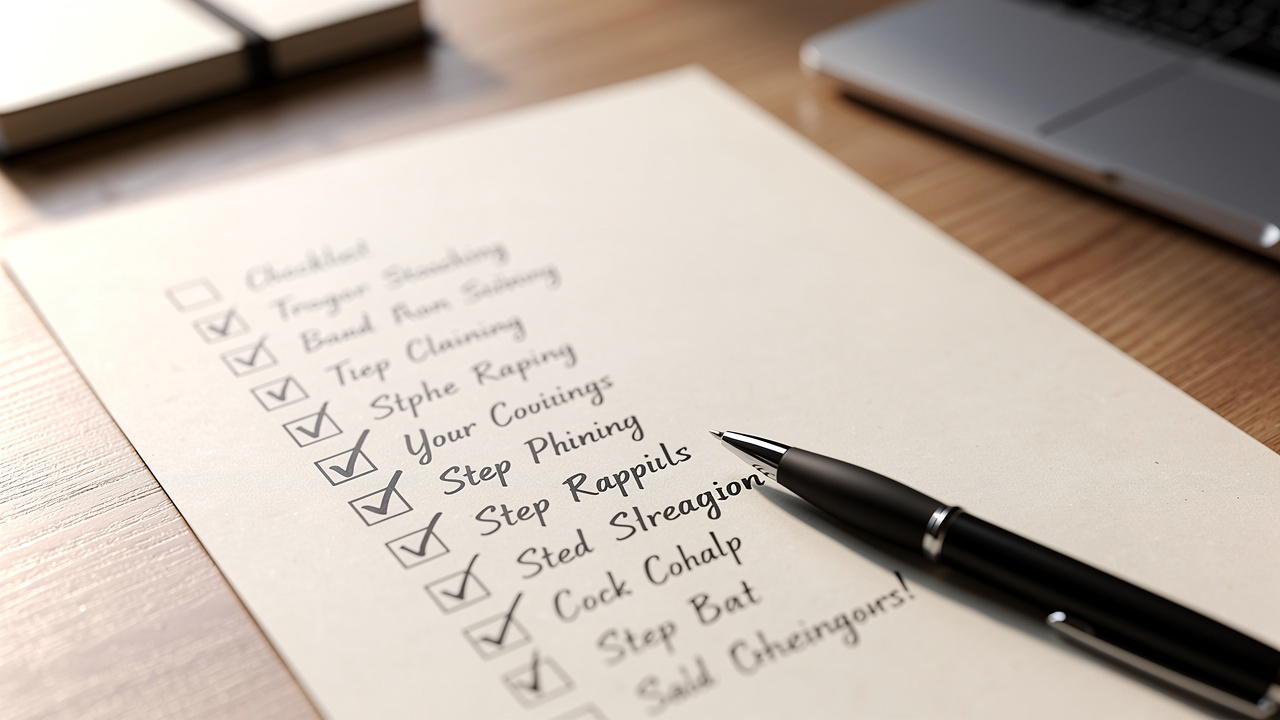
A simple six-step process turns any messy problem into a clear, manageable plan.
Your mental state, calm versus stressed, directly affects how creative and flexible your thinking becomes.
Small, consistent practice beats waiting around for one big breakthrough moment.
What Skills Make Someone a Strong Problem Solver?

Strong problem solvers share a specific cluster of skills rather than raw intelligence or luck, and research on the creative problem-solving approach to creative thinking skills shows these abilities can be deliberately trained. Four abilities sit at the center: analyzing information, thinking critically, brainstorming creative options, and clearly identifying the real problem instead of chasing its symptoms. Analyzing data means gathering facts and spotting patterns before jumping to conclusions, while critical thinking pushes you to question assumptions and separate fact from opinion.
These skills rarely work alone. Collaboration adds fuel, since teammates catch blind spots you’d miss solo and expand your list of options. Structured evaluation, like weighing pros and cons or running a quick SWOT check on strengths, weaknesses, opportunities, and threats, turns scattered ideas into a short list you can actually act on, a process supported by evidence on how scaffolding promotes problem-solving ability in learners tackling complex tasks.
How Can You Solve Problems Step by Step?

Solving a problem step by step starts with naming it clearly, then digging into why it happens, an approach outlined in the federal practice guide on improving mathematical problem solving for students facing multi-step challenges. Say your car won’t start one morning. You identify the problem, a dead engine, then analyze likely causes like a drained battery. Next you generate ideas, call roadside assistance, ask a neighbor for a jump, or find a nearby mechanic, then evaluate each for cost and convenience before implementing your pick and reviewing whether the car runs again.
Two small habits make this process smoother:
Try a “yes, and” mindset instead of shutting down odd suggestions with “no, but,” since even a strange idea can spark a workable one.
Defer judgment during the idea stage, since rushing to accept or reject options too fast narrows your thinking exactly when you need it wide open, a principle echoed in university-level guidance on problem-solving strategies for tackling unfamiliar questions.
How Does Your Mental State Affect Problem-Solving?

Your mental state changes how well you solve problems just as much as your skill set does. A stressed, overloaded brain narrows focus and locks you into cognitive fixedness, that tendency to see only the solutions you’ve used before. A calm, focused mind does the opposite, staying open to fresh angles and spotting connections a stressed brain would miss entirely.
This is where tools that support cognitive function can help. The BrainSpeak® Program is an audio-based tool designed to help synchronize the mind through sound, giving your brain a calmer baseline to think from. It’s not a replacement for practice, but a supportive layer that makes the skills and process above easier to apply when you sit down to actually solve something.
A calm, focused mind stays open to fresh angles and spots connections a stressed brain would miss entirely.
The Takeaway

Problem-solving isn’t luck or personality, it’s a skill you build through daily practice. Sharpen the core skills like analysis and creative thinking, lean on the six-step process instead of guessing, and support a managing stress with mindfulness so your best ideas actually surface. Pick one small problem today and run it through the steps above. That single try is how real progress starts.
Frequently Asked Questions
How Long Does It Take To Improve Problem-Solving Skills?
Noticeable improvement can appear within weeks of regular practice, though mastery keeps building for years. Consistency beats intensity, so a few minutes daily practicing the six-step process works better than one long session once a month.
Can Problem-Solving Skills Really Be Taught, Or Are Some People Just Naturally Better At It?
Yes, these are learnable, trainable skills, not fixed traits. The OECD and World Economic Forum both recognize problem-solving as a teachable competency for modern work. Some people start with an edge, but consistent practice lets anyone catch up and keep improving.
What Is The Difference Between Problem-Solving And Critical Thinking?
Critical thinking is one skill inside problem-solving, focused on evaluating information objectively and separating fact from opinion. Problem-solving is the bigger picture, covering identification, creative ideas, implementation, and reviewing results. Critical thinking is one tool in a larger toolbox.
Why Do I Freeze Up Or Feel Stuck When Facing A Tough Problem?
That feeling lost in life usually comes from stress narrowing your focus, plus cognitive fixedness pulling you toward familiar but unhelpful solutions. Step back for a moment, try a “yes, and” mindset toward your own ideas, and calm your mind before restarting the process.
Conclusion
Getting better at solving problems isn’t about waiting for a lightning-bolt idea to strike. It’s about training specific skills, following a process you trust, and giving your mind the conditions it needs to think clearly instead of freezing under pressure. Every stuck moment you’ve had is proof you’re a person who cares about doing things well, not proof you lack the ability to figure things out.
Start small. Pick one nagging problem today, whether it’s a work snag or something personal, and walk it through the identify, analyze, generate, evaluate, implement, and review steps from this guide. If you want extra support building the calm, focused mindset that makes all of this easier, the program’s audio-based approach is one option worth exploring alongside your practice. Either way, the real shift begins the moment you stop staring at the wall and start working the problem.