

Building self-esteem and confidence often feels like trying to fill a bucket with a hole in the bottom. A single criticism drowns out nine compliments, and one stumble convinces you to quit before you even start. This cycle of negative thinking creeps into your work, your relationships, and the small daily choices that add up to a life.
Building self-esteem and confidence isn’t about repeating hollow affirmations in the mirror until you believe them. Self-esteem is how much you value yourself as a person, while confidence is your belief in handling a specific task or moment, like a job interview or a hard conversation. This guide walks through that difference, the daily habits that quiet a harsh inner critic, and the small actions that create lasting self-worth. You’ll also see how BrainSpeak®’s audio programs can support the mindset work you’re already doing.
Ready to trade self-doubt for steady, real confidence? Start with understanding what these two words actually mean.
What Is the Difference Between Self-Esteem and Confidence?
Self-esteem is your overall sense of worth as a person, built slowly through your experiences and relationships over time. Confidence, on the other hand, is your belief in your ability to handle a specific task, like giving a presentation or trying a new recipe. You can feel confident at work while still doubting yourself in a social setting, and that’s completely normal. The two feed each other, since strong self-esteem gives you the base to grow confidence in new areas of life.
When self-esteem is low, a harsh inner critic often takes over, replaying mistakes and ignoring wins. This happens because of negativity bias, your brain’s built-in habit of noticing threats and flaws over good news. You might receive nine compliments and one piece of criticism, then spend the night replaying only the criticism. Recognizing this pattern is the first step toward building self-esteem and confidence that actually holds up under pressure.
How Can You Start Building Real Self-Esteem?



Building self-esteem and confidence starts with knowing what you actually value, not with repeating generic affirmations. Think about the kind of person you want to be, maybe kind, reliable, curious, or generous. If you value kindness but constantly snap at people you love, no amount of positive self-talk will fix how you feel about yourself. Act in line with your values, even in small ways, and genuine self-respect follows naturally.
Your inner dialogue shapes how you see yourself more than any single outside event does. A few ways to start reshaping that dialogue:
When you catch yourself thinking “I’m so stupid,” swap it for “I haven’t figured this out yet.”
Turn “I should have never made that mistake” into “mistakes are human, and I’ll learn from this one.”
Write down your common put-downs, create a kinder replacement for each, and keep that list somewhere you’ll see it daily.
Negativity bias keeps your brain hunting for flaws while ignoring your wins, so you need a deliberate counterweight. Each night for two weeks, write down three good things you did that day, no matter how small they seem.
Positive psychology research on this simple exercise has found it can lift mood and lower anxiety for months afterward.
This short habit trains your brain to notice what’s already going right instead of only the mistakes.
Your so-called weaknesses often hide real strengths, like a quiet nature that makes you a great listener. Ask a few close friends what they genuinely admire about you, then write down the patterns you notice. Use those strengths to help someone else, whether that’s fixing a neighbor’s computer or simply showing up for a friend who’s struggling. Research on physical activity interventions shows that self-esteem built through real action and contribution tends to last far longer than self-esteem built through self-talk alone, and the confidence you pick up along the way is just a bonus.
Why Audio Tools Can Help Rewire Confidence Faster

Procrastination and shaky confidence are rarely about laziness, they usually trace back to anxiety or old self-sabotaging beliefs like “I only matter when I achieve.” BrainSpeak’s program on eliminating self-sabotage focuses on replacing these buried scripts with beliefs that actually support you, rather than layering positive thinking on top of unresolved fears. That root-cause focus matters, because confidence built on an unresolved limiting belief tends to crack the moment life gets hard.
Its core audio program uses sound technology designed to engage both sides of the brain, aiming for change that goes deeper than a quick pep talk. It also encourages building what’s called domain-specific self-esteem, meaning you draw confidence from several roles in your life, such as parent, professional, or friend, rather than pinning your entire worth on one. When one area wobbles, the others still hold you steady.
The Takeaway
Real confidence doesn’t arrive before you act, it grows because you act despite the doubt. Align your choices with your values, swap harsh self-talk for growth-minded phrases, and write down three good things each night to retrain your focus. Notice your strengths, use them to help someone else, and lean on supportive tools when old patterns resurface. Start today with one small, honest step toward building self-esteem and confidence that lasts.
Frequently Asked Questions
How Long Does It Take To Build Self-Esteem?
Small shifts in self-talk can show up within about two weeks, which lines up with research on the three good things journaling exercise. Deeper, values-based change takes longer, often several months of steady practice. Self-esteem keeps growing as you keep acting in line with your values, which is really the heart of building self-esteem and confidence over time.
Can Low Self-Esteem Come Back After You’ve Improved It?
Yes, and that’s normal rather than a sign of failure. Confidence doesn’t grow in a straight line, stress, setbacks, or big life changes can bring the inner critic back for a visit. The goal isn’t to never slip, it’s to notice when you have and return to the habits that rebuild your footing.
What’s A Quick Daily Habit To Boost Confidence?
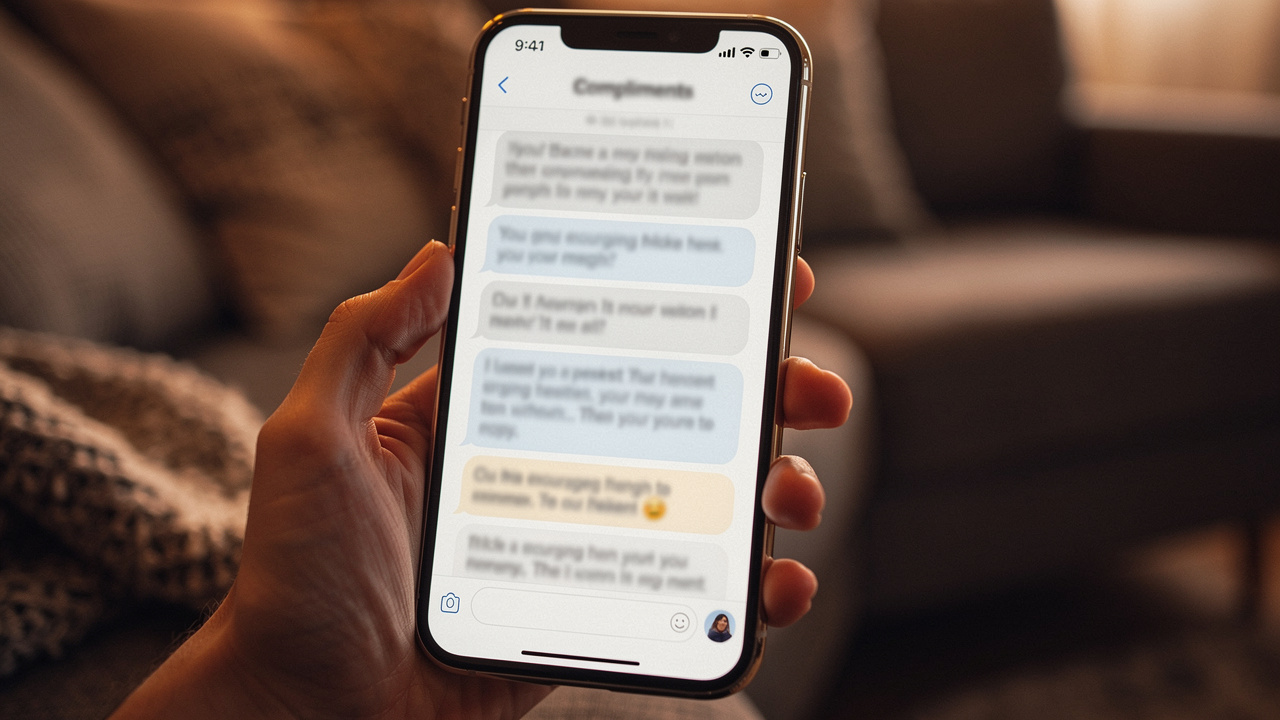
Save compliments you receive in a notes app and reread them when doubt creeps in. Pair that habit with writing down three good things you did each night before bed. Together these two small practices retrain your brain to notice the good instead of only the flaws.
Does Listening To Audio Programs Really Help With Confidence?
Yes, research shows reading and listening activate similar regions of the brain, which supports audio as a legitimate learning tool. This is why some audio-based personal growth tools use repeated, affirming messages to reinforce new beliefs over time. Consistency matters more than which format you choose.
Conclusion
Building self-esteem and confidence isn’t a one-time fix, it’s a practice you return to again and again. Every time you act in line with your values, swap self-criticism for a kinder voice, or notice a genuine win, you lay another brick in a foundation that holds under pressure. Progress won’t always feel steady, and that’s fine, what matters is that you keep coming back to the habits that work.
If you want extra support while you build these habits, BrainSpeak offers audio-based programs designed to reinforce positive beliefs at a deeper level, alongside the daily practices covered here. Pick one strategy from this guide, whether it’s journaling three good things tonight or naming one value you’ll act on tomorrow, and start there. Real, lasting confidence begins with that first small step, not with waiting until you feel ready.