

Confidence can feel like a club you weren’t invited to. You watch other people speak up in meetings, strike up conversations with strangers, or walk into a room like they own it, and you wonder what secret they know that you don’t. Here’s the truth: they aren’t hiding a secret. They’ve just built a habit.
Figuring out how to build confidence isn’t about waiting for a lightning-bolt moment of self-belief. It’s about stacking small, repeatable actions until they become who you are. This guide walks through the practical pieces that actually move the needle, from building real competence and managing your self-talk, to keeping promises to yourself and even how you dress and stand. We’ll also look at how tools like BrainSpeak can support the mental side of that work. None of this requires becoming a different person. It just requires starting.
Key Takeaways
Confidence comes from action and competence, not from waiting to feel ready first.
Your self-talk shapes your self-image more than any comment from someone else ever could.
Small, kept promises to yourself build bigger internal trust over time.
Appearance and posture aren’t vanity. They’re a fast, physical shortcut to feeling more capable right now.
What Actually Builds Real Confidence?

Real confidence is built through two things working together, competence gained by doing and thinking patterns you actively manage, not through affirmations alone or waiting for fear to disappear, a conclusion supported by research on the reliability of confidence measures showing that self-assessment and demonstrated ability are closely linked. When you want to know how to build confidence, the honest answer starts with action, because competence is the thing that actually convinces your brain you can handle life.
Practicing a skill for even 30 minutes a day, whether that’s writing, public speaking, or a new job task, gives you tangible proof of improvement, and that proof is what confidence is made of, a pattern also documented in research on quantitative research self-efficacy development among doctoral students who built competence through repeated practice. Breaking a large goal into small wins matters just as much. Set a target you know you can hit, hit it, then raise the bar slightly, because each small success builds momentum toward the next one.
Alongside action, you need to manage the voice in your head. Negative self-talk, thoughts like “I can’t do this” or “I’m not cut out for this,” reinforces the very doubt you’re trying to shake. One simple trick that works surprisingly well is to picture each negative thought as a bug, and mentally squash it the moment you notice it. Then replace it right away with something more useful, like “I can handle this one step at a time.” Do this enough times and the swap becomes automatic, which changes how you talk to yourself in the moments that matter most.
Why Keeping Promises to Yourself Matters More Than You Think
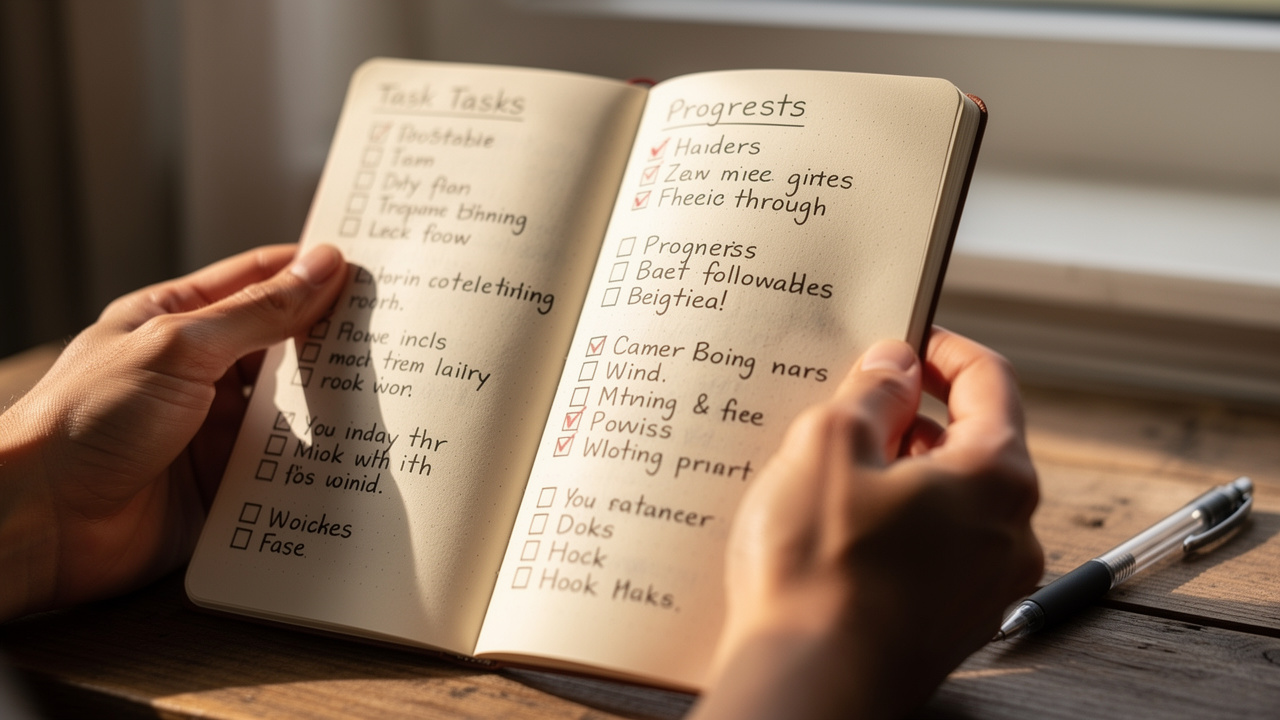
Keeping the small promises you make to yourself matters because every broken one quietly teaches your brain that your word isn’t reliable. That abandoned to-do list, the goal you dropped after week one, the habit you meant to start but never did, all of it stacks up as evidence against you, even if no one else notices. This isn’t about guilt for guilt’s sake. It’s about recognizing that self-esteem is built the same way trust with anyone else gets built, through follow-through, not intention.
The fix is refreshingly small:
Pick one realistic promise this week, something like finishing a single task you’ve been avoiding or sticking to a ten-minute habit for seven straight days.
Follow through on it completely, even if it feels almost too easy.
Let that single kept promise start rebuilding the internal record that says you’re someone who does what you say.
That record becomes the base for every bigger commitment you’ll make later.
How Your Posture and Presentation Shape Your Confidence


How you present yourself physically sends a direct message to your own brain about how capable you are, not just to the people around you. A basic grooming routine, showering, shaving, or simply putting yourself together, can shift your mood more than it seems like it should. Dressing in a way that reflects who you want to become, rather than waiting until some future version of yourself “deserves” it, works the same way. Wearing clean, well-fitted clothes that actually feel like you isn’t about vanity. It’s a signal to your own mind that you’re worth the effort.
Posture works even faster. Standing tall, spine straight, shoulders back, chin level, is one of the quickest confidence adjustments available to anyone, a technique also highlighted in guidance on how to build confidence through body language and daily habits. Picture a string pulling the top of your head toward the ceiling and hold that position for a moment. It sounds almost too simple, but your body and brain are in constant conversation, and standing taller sends your brain a signal that says you’re in control, right now, before you’ve said a word.
How BrainSpeak Supports Your Confidence-Building Journey

BrainSpeak supports the mental side of confidence building by helping the positive self-talk you’re already practicing actually stick, rather than fading after a few days. Supportive affirmations that reinforce self-worth and capability can help reshape your self-image, especially when the language actually connects with how you think and talk, which makes it far more likely to hold up over time.
This approach grows out of a broader, science-informed method, built since 1999 around brain wave activity and hemispheric synchronization rather than motivational slogans alone. Because neuro-physiology differs from person to person, results vary, which is exactly why a free demo is offered, so you can try the experience yourself before deciding whether it fits into your own confidence-building routine.
Real confidence isn’t a feeling you wait for. It’s a record you build, one kept promise and one small win at a time.
The Takeaway
Confidence gets built brick by brick, through the actions you take, the way you talk to yourself, the promises you actually keep, and even how you carry your own body through a room. None of these pieces work alone, and none of them require you to be a finished, fearless version of yourself before you start. Pick just one strategy from this guide, maybe rebuilding a broken promise to yourself or straightening your posture before your next conversation, and put it into practice today. If you want extra support on the mental side, trying the BrainSpeak Demo is a low-pressure next step worth exploring.
Frequently Asked Questions
How Long Does It Take To Build Self-Confidence?
There’s no fixed timeline, because building confidence depends on consistency, not the calendar. Someone who practices a skill or manages their self-talk daily often notices real shifts within a few weeks, while occasional effort takes much longer to show results. The pace is less important than showing up for it regularly.
Can Low Confidence Be A Sign Of Something Else, Like Anxiety?
Persistent low confidence tied to intense fear, avoidance, or physical symptoms can sometimes overlap with anxiety rather than simple self-doubt. If it consistently interferes with work, relationships, or daily decisions, it’s worth talking to a mental health professional alongside any self-development work you’re already doing.
What’s The Difference Between Confidence And Arrogance?
Confidence is trusting your own abilities without needing anyone else to validate them. Arrogance usually involves putting other people down to feel superior, which suggests insecurity underneath rather than genuine self-belief. True confidence doesn’t require comparison, because it isn’t threatened by someone else’s success.
Do Affirmations Actually Work For Building Confidence?
Yes — supportive affirmations that reinforce self-worth and capability can genuinely shift your self-image over time. They tend to work best when they’re specific and written in language you’d actually say to yourself, so they feel true rather than like a script borrowed from someone else.